Why is quitting vaping so hard?
 By Armaan Arora
Updated 29 November 2026. About 5 minutes to read.

Quitting vaping is hard because you're up against several things at once. Nicotine is highly addictive, so stopping brings withdrawal. Vaping gets tied into ordinary moments, so your day keeps setting off the urge. And many people use nicotine to handle stress, so a bad day pulls you back. Working out which of these is getting you tells you what to do about it.
The 2025 Cochrane review of treatments for quitting vaping puts it simply: people can find it difficult to stop because of nicotine's addictive properties. The rest of this article draws on the US National Cancer Institute and iCanQuit from the Cancer Institute NSW. They were written about smoking, but vapes deliver nicotine too.
1. Nicotine is addictive
The NCI calls the nicotine in tobacco "highly addictive". When you stop, your body notices. Cravings can start within an hour or two of your last nicotine, and the most common withdrawal symptoms are cravings, irritability, trouble concentrating, trouble sleeping, restlessness, anxiety, low mood and feeling hungrier. They're usually worst in the first week, peaking in the first 3 days.
This is the part that's temporary. iCanQuit says most withdrawal symptoms fade after 2 to 3 weeks. The timeline is in vaping withdrawal symptoms and timeline.
2. It's woven into your day
The NCI calls these pattern or activity triggers: the moments you've always paired with nicotine. Waking up, coffee, meals, driving, a drink. Its example is the first one of the day: "the physical need and routine" of waking up and reaching for it. Even once withdrawal eases, the routine is still there, and the moment itself can bring on the urge.
What helps is changing the routine around the moment. The NCI suggests a different wake-up routine, doing something different around coffee or tea, brushing your teeth or using mouthwash right after meals, and taking a different route to work. iCanQuit's version: if you usually vape after eating, brush your teeth or go for a walk instead.
3. Stress and other feelings
The NCI says most smokers report that one reason they smoke is to handle stress. It lists emotional triggers as feeling stressed, anxious, bored, lonely, sad or frustrated, and iCanQuit says cravings often come on suddenly and may be linked to stress, boredom or other emotions. So when quitting gets hard, it's often on the days that were already hard. The NCI also explains why stress can feel louder at first: smoking causes temporary changes in brain chemistry that can ease anxiety, so once you stop and your brain chemistry returns to normal, you may become more aware of stress. It adds that the longer you go without, the better you get at handling it.
That's how it started for me. I began vaping to take the edge off the stress of running my business, and it didn't take long to realise how much I'd come to depend on it.
It helps to have something ready for those moments: a walk, ten slow breaths, less caffeine, a friend to talk to. Naming exactly what you feel helps too: the NCI suggests asking whether you're actually tired, lonely, bored or hungry. For what happens to anxiety when you quit, see vaping and anxiety.
4. The people around you
Social triggers are the third kind the NCI describes: being around others who use, or being offered one. It suggests limiting time with people who use, especially in the early weeks, stepping away until they've finished, and telling people you've quit so they don't offer. It also says alcohol makes triggers harder to resist, which is why many people drink less, or not at all, while they quit.
Does it get easier?
Yes. iCanQuit says the longer you stay quit, the less often and less strongly cravings come, and the NCI says they get farther apart as time passes. Withdrawal is usually worst in the first week. An occasional, milder craving can still turn up months later, and like the others it passes. There's more in how long nicotine cravings last.
What helps with each part
| What's making it hard | What helps |
|---|---|
| Withdrawal | Knowing it peaks in the first 3 days and fades; slow breathing; something to chew; asking a GP or pharmacist about medicine |
| Routine | Changing what you do around the moment: a different wake-up routine, teeth after meals, a new route |
| Stress and feelings | A plan for hard days: a walk, ten slow breaths, less caffeine, someone to talk to |
| Other people | Telling people you've quit, less time around people who vape early on, less alcohol |
To put it all into a plan, see how to quit vaping, step by step. In Australia, Quitline on 13 7848 is a free phone counselling service.
How Rideout helps
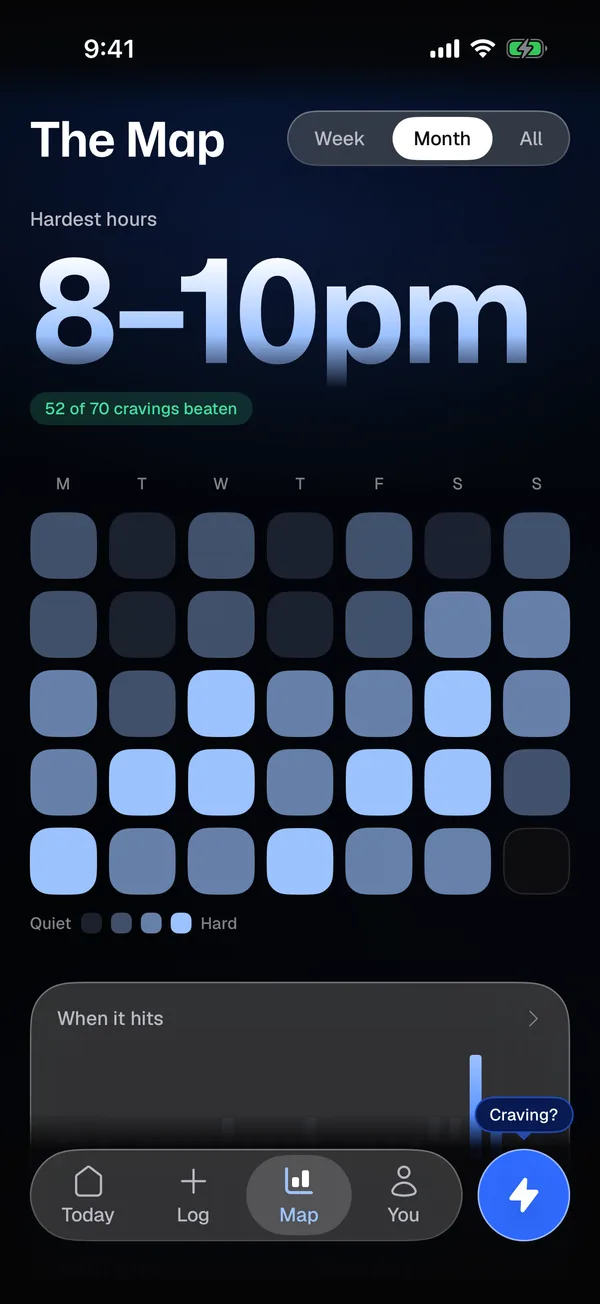
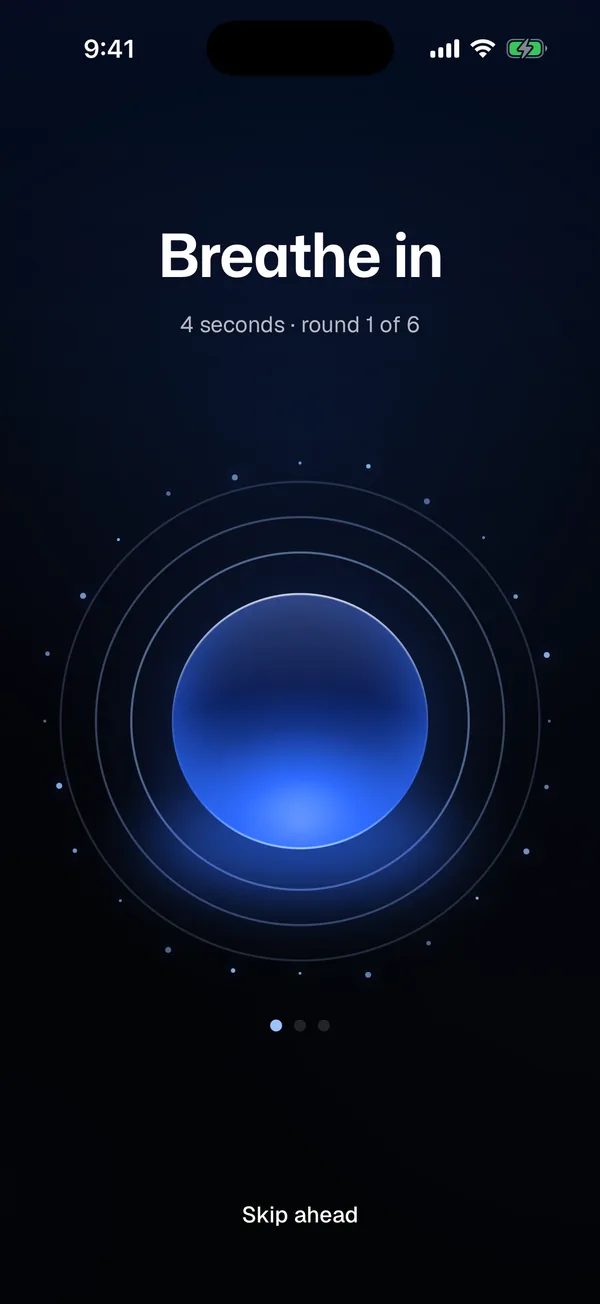
Rideout is built to show you which of these is getting you. Each craving you log records when it hit and what set it off, so the Map shows your hardest hours and your most common triggers. The morning check-in plans your day around anything that could make it hard, and when a craving hits, Ride it out gives you 90 seconds of slow breathing, then shows your own reason for quitting.
Questions
How addictive is vaping?
Vapes deliver nicotine, which the US National Cancer Institute calls highly addictive. A 2025 Cochrane review notes that people can find it difficult to stop vaping because of nicotine's addictive properties.
Why do I want to vape when I'm stressed?
Stress is one of the most common triggers. The NCI says most smokers report that handling stress is one reason they smoke, and iCanQuit says cravings are often linked to stress, boredom or other emotions.
Does quitting vaping get easier?
Yes. Withdrawal is usually worst in the first week, peaking in the first 3 days, and iCanQuit says most symptoms fade after 2 to 3 weeks. Cravings get less frequent and weaker the longer you stay quit.
Sources
- Handling nicotine withdrawal and triggers when you decide to quit tobacco, National Cancer Institute (US), reviewed January 2022
- How to control smoking cravings, iCanQuit, Cancer Institute NSW
- Interventions for quitting vaping (2025), Cochrane Database of Systematic Reviews
This isn't medical advice. It's general information to help you quit. For advice about your health or medicine, talk to a GP or pharmacist. In Australia, Quitline is 13 7848. In an emergency, call 000.
Ride out the next craving
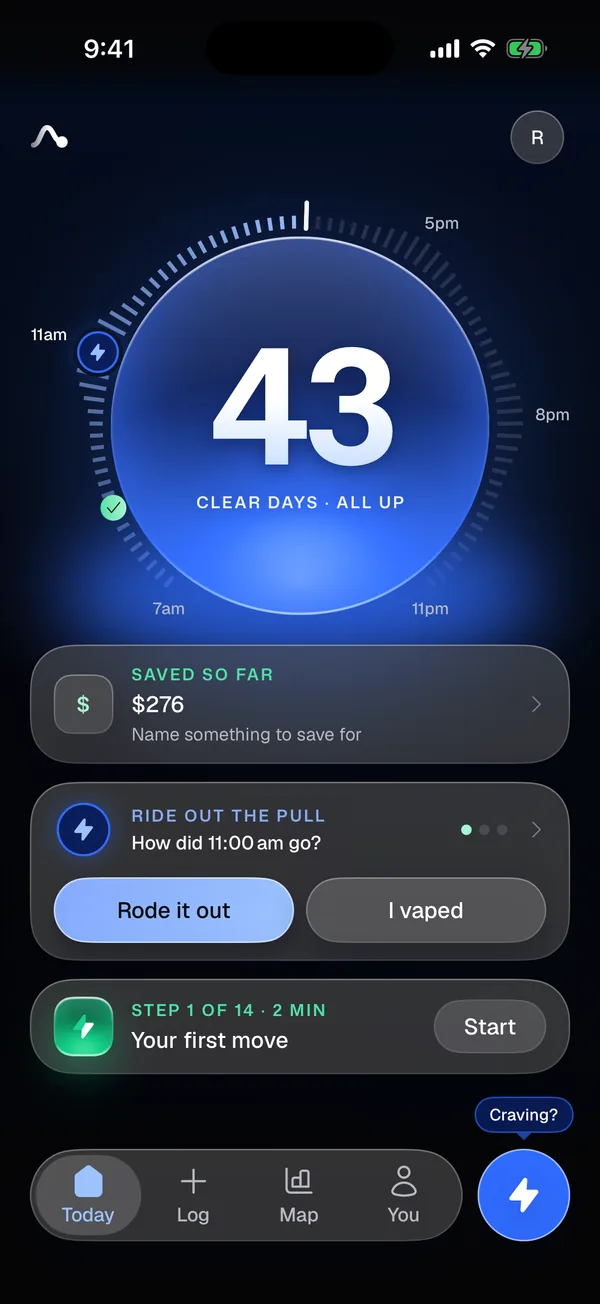
Rideout is an iPhone app for quitting vaping. When a craving hits, it gives you 90 seconds of slow breathing, and a slip only takes that one day. What you log stays on your phone.
Reserve your first year free before Rideout launches on the App Store.